Effective e-marketing consulting begins with diagnosis, not a list of channels. Consultants must connect customer evidence, business economics and execution capability before recommending activity.
Table of Contents
ToggleWhat informed this framework
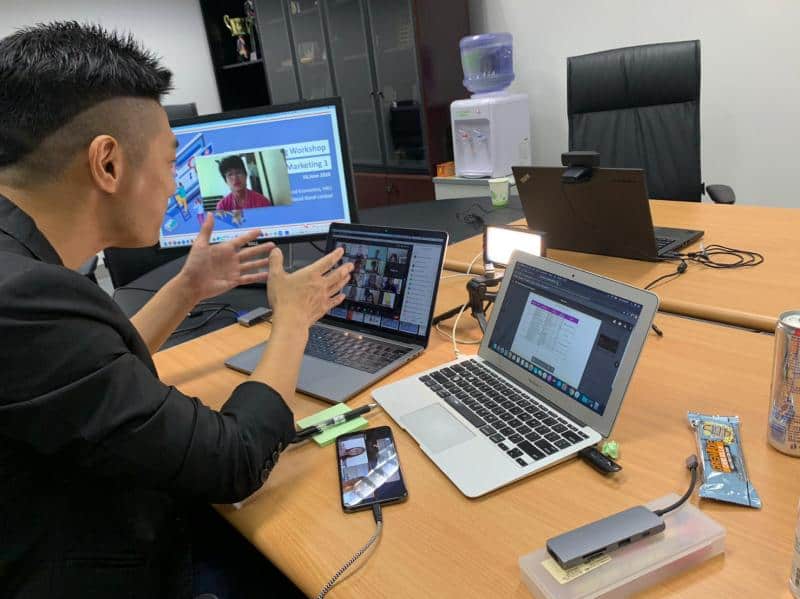
In a six-hour HKU Business Consulting Practicum programme in 2020, Social Stand founder Dr Bernie Wong guided students through digital and social media marketing, storytelling and applied business recommendations.
A consulting sequence that produces better advice
1. Clarify the commercial question
Define the desired outcome, baseline, constraints and decision that the client needs to make.
2. Diagnose the customer journey
Use interviews, search behaviour, analytics, sales data and service feedback to identify friction and unmet needs.
3. Prioritise interventions
Score opportunities by expected value, evidence, feasibility, cost and time to learn. Avoid recommending every channel.
4. Design the test and scorecard
Specify audience, message, execution, owner, budget, leading indicators and commercial outcome.
How to present a credible recommendation
Separate facts, assumptions and hypotheses. Explain alternatives and risks. Provide a phased roadmap that the client can fund, operate and review.
Common mistakes
- Confusing competitor activity with customer evidence.
- Using engagement as a substitute for business impact.
- Ignoring the client’s people, data and approval constraints.
- Presenting tactics without ownership or review dates.
See Dr Bernie Wong’s original engagement note and the Social Stand resource hub.
For applied consulting, digital strategy or corporate capability programmes, speak with Social Stand.
Frequently asked questions
Should a consultant recommend quick wins?
Yes, when they are connected to a longer-term model and produce useful evidence rather than temporary activity.
How much research is enough?
Enough to distinguish a customer problem from an internal assumption and to design a responsible first test.
SOCIAL STAND BRIEFING
Practical AI & Digital Marketing Insights
Get useful ideas on AI, digital marketing, social media and brand storytelling for leaders and teams across Hong Kong and Asia.