digital marketing capstone workshop works when strategy, execution and measurement reinforce one another. This guide turns a real Hong Kong or regional learning engagement into an agency-ready framework that teams can apply.
Table of Contents
ToggleWhy this matters
Teams often collect tactics faster than they build judgement. A useful capstone must show how research changes positioning, how positioning shapes creative work and how evidence changes the next decision.
What informed this playbook
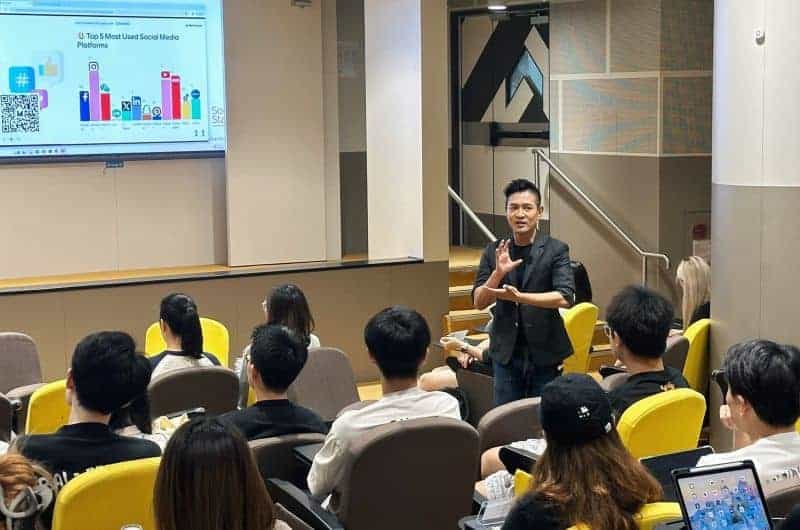
A three-hour PolyU Marketing capstone workshop required eight digital marketing topics to work as one decision system, not eight disconnected lectures. Dr Bernie Wong used practical cases to connect strategy, channels, content and measurement. The event is context; the enduring value is the decision framework below.
A four-part implementation framework
Frame the business decision
Define the commercial objective, customer segment and constraint before discussing channels.
Connect the funnel
Map discovery, consideration, conversion and retention, assigning a job and metric to each touchpoint.
Use cases to test judgement
Compare plausible options, identify trade-offs and require teams to defend their choices with evidence.
Close the learning loop
Specify what data will be collected, when it will be reviewed and what would trigger a change in direction.
How an agency team applies it
At Social Stand, we translate the framework into a working brief: business objective, priority audience, message architecture, channel roles, content system, governance and measurement. The first deliverable should not be a long list of tactics. It should be a small set of decisions that a team can execute, review and improve.
A practical scorecard combines leading indicators—qualified attention, content saves, landing-page engagement and enquiries—with commercial outcomes such as lead quality, conversion, retention or operational efficiency. That keeps creative work connected to the business case.
Questions decision-makers should ask
- Which audience and business decision are we trying to influence?
- What evidence would make the message credible?
- Which channel has a clear job in the journey?
- What will we learn within the first 30 to 90 days?
From workshop insight to business action
For the event record and speaker perspective, see Dr Bernie Wong’s original engagement note. Explore the Social Stand AI and digital marketing resource hub for related guidance.
If your organisation is designing applied digital marketing training or a team strategy workshop, speak with Social Stand about strategy and corporate training. We can tailor the framework to your market, team and measurable objectives.
Frequently asked questions
Is this framework only for large organisations?
No. Smaller teams often benefit most from explicit priorities, a limited pilot and a shared measurement plan.
Should AI or a new platform come first?
No. Start with the customer or operational problem, then select technology and channels that support the required behaviour.
SOCIAL STAND BRIEFING
Practical AI & Digital Marketing Insights
Get useful ideas on AI, digital marketing, social media and brand storytelling for leaders and teams across Hong Kong and Asia.