podcast content marketing strategy is most useful when it changes how a team makes decisions. This guide turns a real event or training engagement into an agency-ready framework.
Table of Contents
ToggleThe challenge
Many podcasts launch with enthusiasm and fade because the audience promise, format and distribution system are unclear. Sound quality matters, but editorial value and consistency matter more.
Where the insight came from
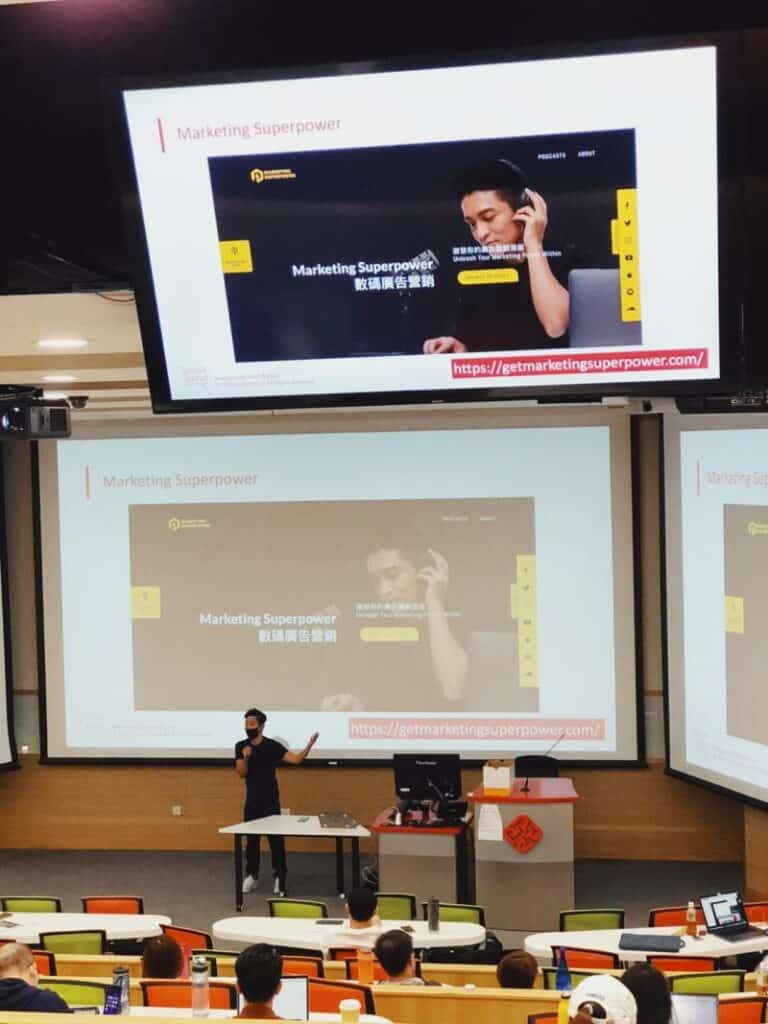
A 2020 PolyU sharing explored podcasting through audience insight and content marketing rather than treating audio as a production exercise.
A four-part practical framework
Choose a repeatable audience promise
Define who the show serves, the recurring problem and the benefit of returning.
Design a durable format
Set episode types, length, host role, guest criteria and production rhythm that available resources can sustain.
Create discovery assets
Turn each episode into search-friendly notes, short clips, quotes, transcripts and platform-native posts.
Build listener relationships
Invite questions, subscriptions and community participation; track completion, returning listeners and downstream action.
Putting the framework to work
Social Stand turns the approach into a working brief with a business objective, priority audience, message architecture, channel roles, content cadence, owners and review points. This creates a shared operating model rather than a collection of tactics.
Measurement should pair diagnostic signals with business outcomes. Platform data explains what is happening; qualified enquiries, transactions, attendance, retention or capability change explain whether it matters.
Questions for your team
- Which audience decision are we trying to influence?
- What evidence makes our promise credible?
- What can we stop doing to create focus?
- What will we learn in the first 30 to 90 days?
Related resources and next step
See Dr Bernie Wong’s original engagement note and the Social Stand AI and digital marketing resource hub.
If you are creating a podcast or long-form content system, speak with Social Stand about strategy and corporate training.
Frequently asked questions
Is this relevant to small teams?
Yes. The framework is designed to create focus and can be scaled to available people, budget and evidence.
Do we need more tools first?
Usually not. Clarify the workflow, audience and decision before adding software or channels.