brand storytelling in the digital era is most useful when it changes how a team makes decisions. This guide turns a real event or training engagement into an agency-ready framework.
Table of Contents
ToggleThe challenge
A brand story is not a single founder video or an About page. It must guide repeated choices about themes, proof, voice and customer participation across channels.
Where the insight came from
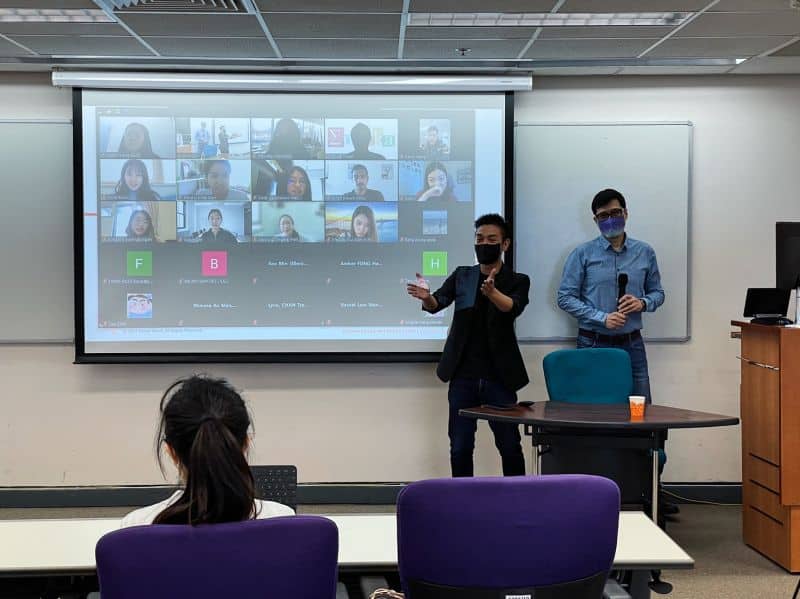
An HKU Business School engagement in 2021 examined how brands can preserve a coherent story while communicating across fast-moving digital formats.
A four-part practical framework
Define the narrative tension
Clarify the change the customer wants, the obstacle and the brand’s distinctive role.
Build a proof library
Collect origin, product, customer, people and impact evidence that makes the story believable.
Create narrative pillars
Turn the core story into repeatable content territories suited to search, social, video and sales conversations.
Invite participation
Give customers and employees prompts, formats and permissions to extend the story authentically.
Putting the framework to work
Social Stand turns the approach into a working brief with a business objective, priority audience, message architecture, channel roles, content cadence, owners and review points. This creates a shared operating model rather than a collection of tactics.
Measurement should pair diagnostic signals with business outcomes. Platform data explains what is happening; qualified enquiries, transactions, attendance, retention or capability change explain whether it matters.
Questions for your team
- Which audience decision are we trying to influence?
- What evidence makes our promise credible?
- What can we stop doing to create focus?
- What will we learn in the first 30 to 90 days?
Related resources and next step
See Dr Bernie Wong’s original engagement note and the Social Stand AI and digital marketing resource hub.
If you are developing a brand narrative and content strategy, speak with Social Stand about strategy and corporate training.
Frequently asked questions
Is this relevant to small teams?
Yes. The framework is designed to create focus and can be scaled to available people, budget and evidence.
Do we need more tools first?
Usually not. Clarify the workflow, audience and decision before adding software or channels.