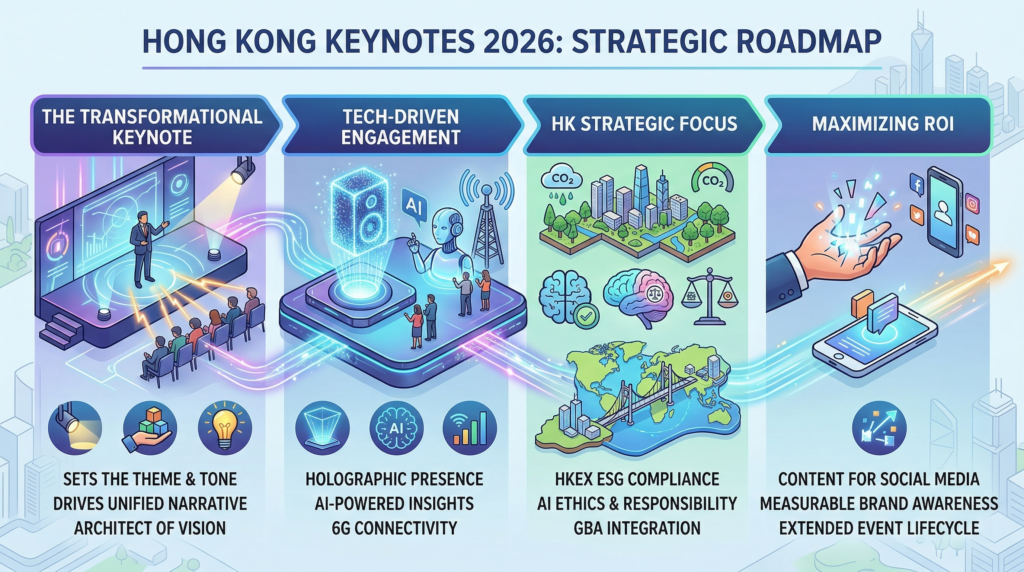
In the 2026 corporate landscape, the role of a keynote speaker has transitioned from a simple presentation to a strategic cornerstone of brand storytelling. For Hong Kong marketers, selecting the right talent involves navigating a complex ecosystem of technological integration, regulatory shifts like the latest HKEX ESG mandates, and the unique cultural dynamics of the Greater Bay Area. This guide provides a technical roadmap for identifying, vetting, and securing high-impact speakers who drive measurable ROI and elevate brand awareness in the APAC region.
Table of Contents
ToggleWhat is a keynote speaker and how do they differ from guest speakers?
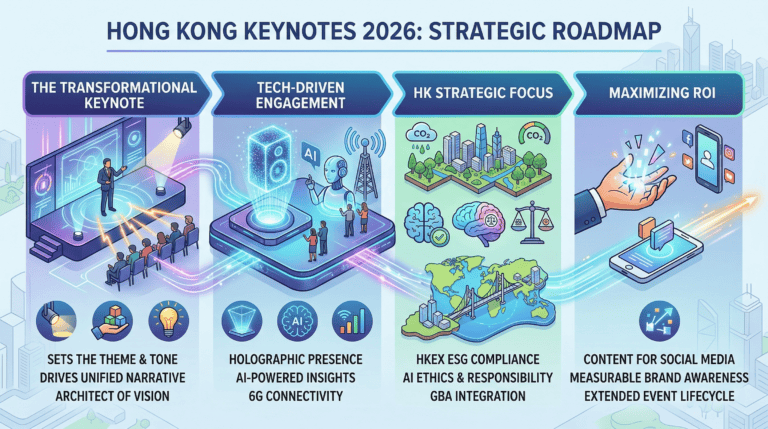
A keynote speaker serves as the primary architect of an event’s emotional and intellectual framework, establishing the core theme and setting the tone. Unlike guest speakers who provide niche expertise on specific panels, keynote speakers unify the entire audience around a central vision.
What are the primary responsibilities of a 2026 keynote?
The primary role of a keynote speaker is to establish the core theme and set the emotional tone for a corporate event or conference. While a guest speaker might occupy a 20-minute slot to discuss a specific technical process, a keynote address typically lasts 45 to 60 minutes. This duration includes a structured 10-15 minute moderated Q&A session, which in 2026 is often facilitated by real-time AI-driven sentiment analysis to prioritize the most relevant audience inquiries.
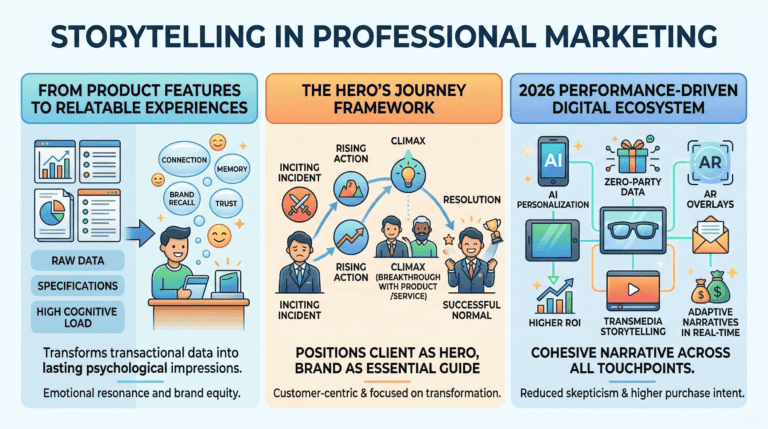
Keynote speakers are responsible for the ‘big picture’ narrative. In the context of Hong Kong’s digital marketing evolution, Social Stand views these speakers as essential components of a brand’s overarching story. The keynote provides the hook that makes a brand remembered, transforming a standard corporate gathering into a landmark event. Whereas guest speakers provide information, keynote speakers provide transformation, using storytelling to bridge the gap between corporate data and human motivation.
Why should your 2026 event strategy include a professional keynote speaker?
Professional keynote speakers act as catalysts for event engagement and brand authority. They provide the high-level insights required to navigate 2026’s volatile market conditions, offering a level of credibility that internal executives often cannot achieve with an external audience.
How does a keynote speaker improve brand awareness?
At Social Stand, we specialize in social media marketing strategies designed to improve online branding and build brand awareness. A professional keynote speaker provides the high-quality content fuel for these strategies. Every insight shared on stage serves as ‘snackable’ content for LinkedIn, WeChat, and Instagram, extending the event’s lifecycle far beyond the physical session. In 2026, the ROI of a keynote is measured not just by the applause in the room, but by the digital resonance and social shareability of the speaker’s message.
What role does the ‘Greater Bay Area’ integration play in speaker selection?
Selecting a speaker with expertise in the Greater Bay Area (GBA) is no longer optional for Hong Kong marketers in 2026. As regional integration deepens, speakers must address the cross-border synergies between Hong Kong’s financial services and Shenzhen’s technology hubs. A professional keynote speaker helps bridge these cultural and economic gaps, providing a unified roadmap for regional growth that aligns with both local Hong Kong values and broader GBA objectives.
What are the average keynote speaker fees in Hong Kong for 2026?
Keynote speaker fees in Hong Kong for 2026 vary based on the speaker’s proximity, celebrity status, and technical requirements. Fees typically range from $40,000 HKD for local industry experts to over $300,000 HKD for high-tier international celebrities and global thought leaders.
What determines the pricing tiers for HK speakers?
- Local Experts and Emerging Voices: $40,000 – $80,000 HKD. These are often HK-based CEOs, academics, or niche specialists with deep local market knowledge.
- Regional APAC Leaders: $80,000 – $180,000 HKD. This tier includes speakers from Singapore, Shanghai, or Tokyo who bring broader Asian perspectives.
- Global Thought Leaders and Best-Selling Authors: $180,000 – $350,000 HKD. These individuals offer global prestige and are often headliners for major summits at the HKCEC.
- International Celebrities and Icons: $350,000+ HKD. Fees for these speakers often exclude business-class airfare, luxury accommodation, and technical riders.
Marketers must also account for ‘Holographic Presence’ costs, which in 2026 offer a middle ground. Bringing an international speaker via a high-fidelity 3D hologram can cost 40% less than in-person logistics while maintaining a higher engagement rate than traditional 2D video conferencing.
How do you choose the right keynote speaker for a Hong Kong corporate audience?
Choosing the right speaker requires balancing global trends with Hong Kong’s specific cultural nuances. Marketers must evaluate a candidate’s linguistic flexibility, their understanding of local regulatory frameworks, and their ability to resonate with a highly discerning, efficiency-driven corporate audience.
Should you use a speaker bureau or book directly?
Working with a speaker bureau provides a layer of insurance regarding contracts and cancellation clauses. For Hong Kong events, bureaus manage the specific complexities of the ‘Visa and Work Permit’ requirements for foreign speakers. Direct booking may save the 15-25% commission fee but leaves the marketer responsible for logistical failures, technical rider vetting, and local tax compliance. In 2026, many HK marketers prefer bureaus that offer ‘Hybrid Engagement’ guarantees, ensuring the speaker is equipped for both physical and virtual audience interaction.
What cultural nuances are specific to Hong Kong audiences?
Hong Kong audiences value pragmatism over purely emotive ‘rah-rah’ motivational speaking. A successful keynote for this demographic must include data-backed evidence and actionable takeaways. Language is another critical factor; while English remains the primary language for international finance, a speaker’s ability to provide context relevant to the Mainland China market (often in the context of HK-China trade) is highly valued. Social Stand’s focus on ‘Quality and Simplicity’ should be reflected in the speaker’s delivery—complex ideas presented with elegant clarity.
What is the difference between an opening, mid-event, and closing keynote address?
The strategic placement of a keynote address dictates its content structure and delivery style. The opening keynote focuses on vision and roadmap, while the closing keynote focuses on synthesis and actionable next steps to ensure long-term event ROI.
What is the strategic purpose of an opening keynote?
The strategic purpose of an opening keynote is to energize the audience and provide a roadmap for the event’s learning objectives. This session must break the ice and align diverse attendees with the brand’s mission. In 2026, opening keynotes often utilize augmented reality (AR) to overlay the event’s agenda onto the physical space, creating an immersive introduction to the day’s themes.
What is the strategic purpose of a closing keynote?
The strategic purpose of a closing keynote is to summarize key takeaways and provide a call to action to ensure long-term ROI. By the end of a multi-day conference at AsiaWorld-Expo, audiences often suffer from information overload. The closing speaker must distill the event’s most critical insights into a memorable framework, leaving the audience with a ‘Positive Attitude’ and a clear understanding of the next steps they must take in their professional roles.
How has AI and holographic technology changed keynote speaking in 2026?
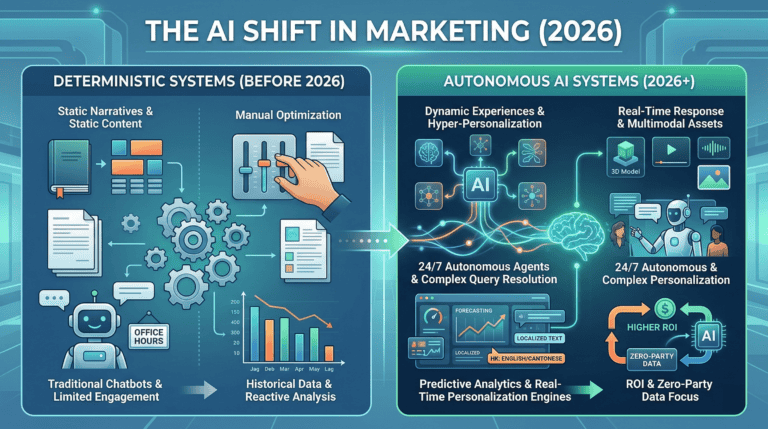
By 2026, technology has eliminated the geographical barriers to elite talent. Keynote speaking now integrates AI for real-time translation and holographic technology for physical presence, allowing speakers to appear on stage in Hong Kong while physically located in London or New York.
What are the technical requirements for virtual and holographic keynotes?
For a virtual keynote to be effective in 2026, it must meet high-tier technical requirements: 4K low-latency streaming, interactive real-time polling, and 3D immersive environments. A standard Zoom call is no longer sufficient for high-stakes corporate events. If a speaker is appearing via hologram, the venue must support a specialized ‘holobox’ or transparent LED mesh screen. These setups require high-speed 6G connectivity (now standard in Hong Kong business districts) to ensure zero lag between the speaker’s movements and the audience’s perception.
How does AI enhance the speaker-audience interaction?
AI is now used to analyze audience engagement metrics in real-time. Biometric sensors in event apps can track attention levels, allowing a speaker to adjust their tone or pace dynamically. Furthermore, AI-driven ‘Digital Twins’ of speakers can handle post-keynote breakout sessions, answering routine questions based on the speaker’s previous books and speeches, thereby maximizing the speaker’s impact without increasing their physical time on-site.
What are the top-rated keynote speaker topics for the Hong Kong market this year?
In 2026, the Hong Kong market is dominated by three main themes: ESG compliance, AI ethics within the financial sector, and the evolution of digital branding in a decentralized web. These topics align with the regulatory shifts and technological advancements specific to the APAC region.
Why is ESG a critical topic for HKEX-listed companies in 2026?
ESG (Environmental, Social, and Governance) speaking topics have reached a ‘Critical’ relevance level in 2026 for HKEX-listed companies. This is a direct result of the updated 2025/2026 sustainability reporting mandates, which require more granular data on carbon footprints and social impact. Keynote speakers who specialize in ‘Green Finance’ or ‘Circular Economy’ are in high demand to help Hong Kong executives navigate these mandatory disclosures while maintaining a positive brand image.
How is AI regulation influencing speaker choice?
As Hong Kong clarifies its stance on AI ethics and data privacy within the GBA, speakers who can demystify ‘Responsible AI’ are essential. Marketers are looking for speakers who can explain how to integrate AI into social media marketing strategies—a core service of Social Stand—without compromising user trust or falling foul of new 2026 algorithmic transparency laws.
How do you book a keynote speaker for venues like HKCEC or AsiaWorld-Expo?
Booking a speaker for Hong Kong’s flagship venues requires a deep understanding of the local infrastructure. The Hong Kong Convention and Exhibition Centre (HKCEC) and AsiaWorld-Expo offer world-class support but require early coordination regarding technical riders and logistics.
What support does the HKCEC offer for international speakers?
The Hong Kong Convention and Exhibition Centre provides specialized speaker support, including integrated AV systems, private green rooms, and specialized translation booth infrastructure. Given Hong Kong’s role as a global hub, the HKCEC is equipped to handle simultaneous interpretation in up to eight languages. For marketers, this means the speaker’s technical rider must be shared with the venue’s in-house team at least 60 days in advance to ensure compatibility with their fiber-optic backbone.
How do logistics differ at AsiaWorld-Expo?
AsiaWorld-Expo’s proximity to the Hong Kong International Airport makes it the preferred venue for international speakers on tight schedules. The ‘In-Venue’ hotel options allow for ‘Fly-in, Fly-out’ keynote sessions. However, the venue’s massive scale requires speakers with a ‘large stage’ presence. Marketers should ensure the speaker is comfortable with large-scale LED backdrops and specialized acoustic engineering required for the arena-sized halls.
What logistical requirements do marketers need to prepare for international speakers in HK?
International speaker logistics in 2026 involve more than just flights and hotels. Marketers must manage legal compliance, health protocols, and cultural orientation to ensure a seamless experience for the speaker and the audience.
What are the ‘Visa and Work Permit’ requirements for 2026?
Foreign speakers entering Hong Kong for a paid engagement typically require a GOSV (General Employment Policy – Overseas/Taiwan/Macao) work visa. Even for a one-hour keynote, the Hong Kong Immigration Department requires the host organization to sponsor the individual. In 2026, the ‘Top Talent Pass Scheme’ has simplified this for world-renowned speakers, but marketers must still verify the speaker’s status 30 days prior to the event. Failure to secure the correct permit can result in the speaker being denied entry at HKIA.
A Checklist for International Speaker Logistics:
- Visa Sponsorship: Initiate GOSV or relevant work permit application 8 weeks out.
- Transport: Secure a private car for the ‘Airport-to-Venue’ transfer; Hong Kong’s traffic can be unpredictable despite the efficiency of the MTR.
- Cultural Briefing: Provide a 1-page summary of current Hong Kong/GBA market sentiment to avoid ‘out of touch’ remarks.
- Technical Soundcheck: Schedule a mandatory 30-minute tech rehearsal on-site, specifically testing the 6G connection for any hybrid elements.
- Contract Clauses: Ensure the contract includes a ‘Force Majeure’ clause covering both regional geopolitical shifts and digital infrastructure failures.
By following this framework, Hong Kong marketers can ensure their 2026 events are powered by keynote speakers who not only inform but also inspire and drive the brand growth that Social Stand advocates for in every digital strategy.