
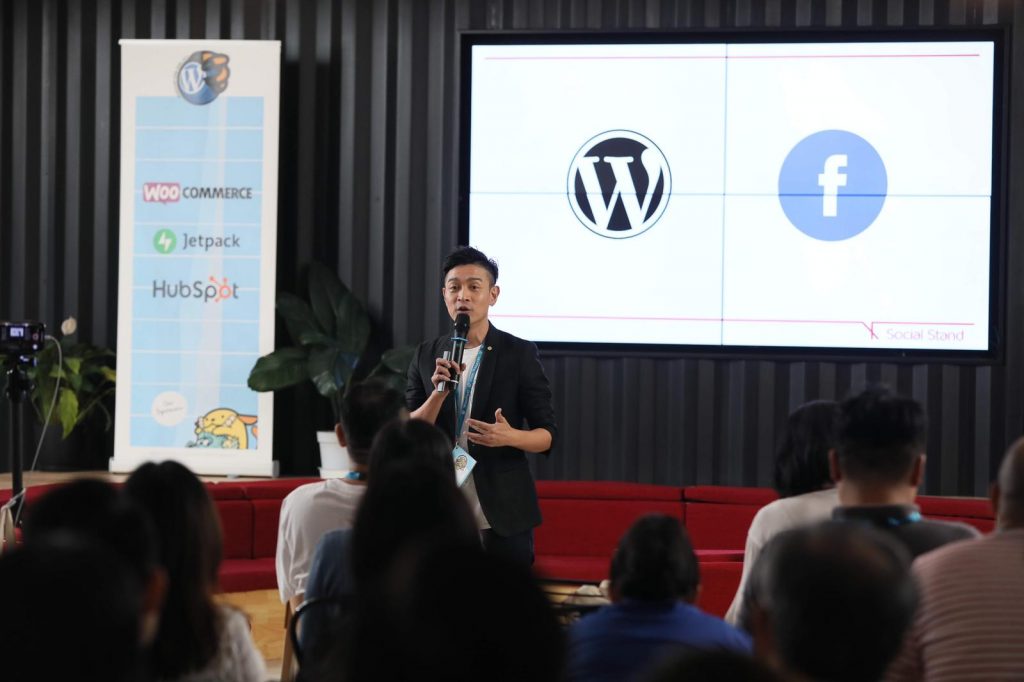
On 12 October 2019, Dr Bernie Wong spoke at WordCamp Hong Kong to more than 150 participants about what happens after a WordPress website goes live. The central idea still holds: publishing a website is not the end of a project. It is the beginning of a connected marketing system.

1. Make the brand clear before driving traffic
A visitor should quickly understand who the organisation serves, what problem it solves and what action to take next. Align the homepage, service pages, navigation and calls to action around the same Brand DNA. Campaign traffic cannot compensate for an unclear proposition.
2. Establish search readiness
Ensure important pages can be crawled, use descriptive titles and headings, and provide useful text around images and videos. Maintain a sitemap, use canonical URLs consistently and test important structured data. Google recommends creating helpful, reliable content for people and keeping it current rather than changing dates without substantial improvements.
利用 谷歌搜索控制台 to monitor indexing, search queries and page performance. Technical visibility is the foundation; it does not replace content quality.
3. Build content around customer decisions
Create material that answers the questions customers ask before contacting you: how approaches differ, what implementation involves, what risks to consider and how success is measured. Connect supporting articles to a clear pillar page and relevant service—not to every page indiscriminately.
4. Design distribution before publishing
For each substantial piece, plan how it will be adapted for search, social media, email, presentations and sales conversations. Repurposing works best when each version serves the behaviour of its channel rather than copying the same caption everywhere.

5. Measure a journey, not isolated clicks
Define meaningful actions such as consultation requests, training enquiries, downloads or qualified calls. Check whether visitors can move from useful information to the next relevant step. Combine analytics with enquiry quality and customer feedback.
6. Improve continuously
Review content accuracy, broken links, mobile usability, page speed and conversion paths on a regular schedule. Refresh pages when their facts or examples change; preserve the original publication date when only superficial edits were made.
Post-launch checklist
- Clear audience, promise and primary action
- Search-accessible pages with descriptive metadata
- Useful cornerstone content and internal links
- Channel-specific distribution plan
- Reliable analytics and conversion tracking
- Regular content, link and performance reviews
Explore Social Stand’s digital marketing resource hub or review its digital marketing agency services in Hong Kong.